A shared fund
Members can give spare hours to a shared fund. If someone needs more help than they can pay back right now, they can ask the fund in private. A community facilitator looks at each request.
This space is dedicated to my aunt, who found community and flourished in it. She made neighbors into family, giving and receiving love in the everyday moments of life. I am in awe of what she cultivated, and of the love that keeps growing in her absence.
May we help each other feel that same belonging.
Help a neighbor for an hour and you earn an hour of help back. You can use it with anyone in the group, for a ride, a babysitter, a home-cooked meal or a brake job. Nobody pays money, and every person's hour counts the same.
How it works
Step 1
Post an offer, like rides, cooking, repairs, babysitting, or help filling out a form. Only members can see it.
Step 2
Post a request, or reach out about someone's offer. Agree on what you'll do, when, and for how long.
Step 3
When you both say yes, the hours are set aside so the help is covered. Then you meet up and get it done.
Step 4
When you both mark it done, the time moves from one account to the other, down to the minute. Spend your hours whenever you need them.
Every new member starts with two hours, so you can ask for help before you've given any. Your hours are kept in a private record that only you can see.
What neighbors share
Anything legal and kind that two people agree on can count.
Members can give spare hours to a shared fund. If someone needs more help than they can pay back right now, they can ask the fund in private. A community facilitator looks at each request.
Clean up a vacant lot, work a shift at the food pantry, or plant a community garden. Projects count the hours people give together, so everyone can see what the block has done. These hours are a gift to the group and don't go into personal accounts.
Neighbors helping neighbors
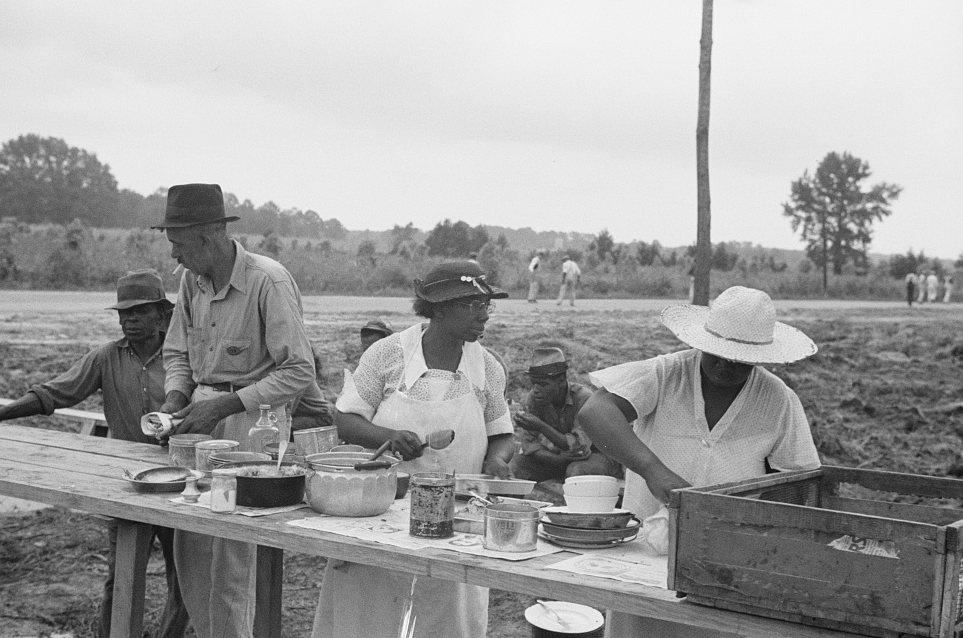
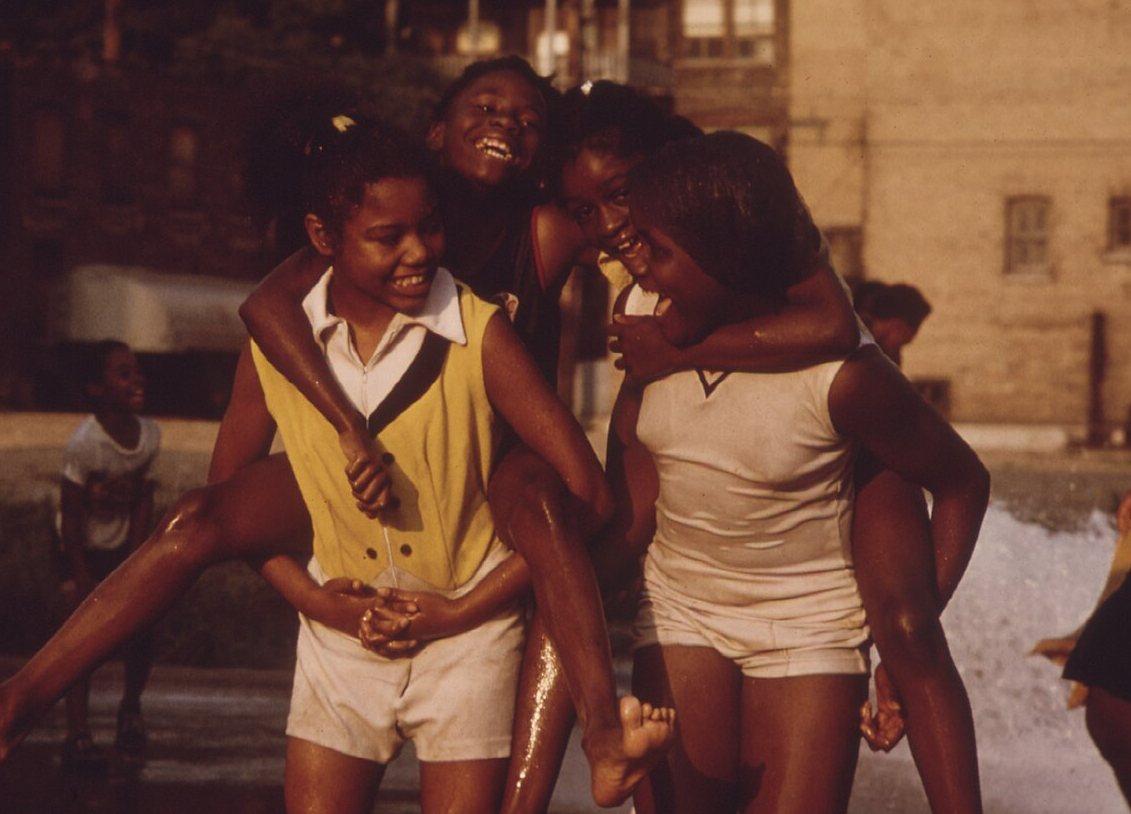
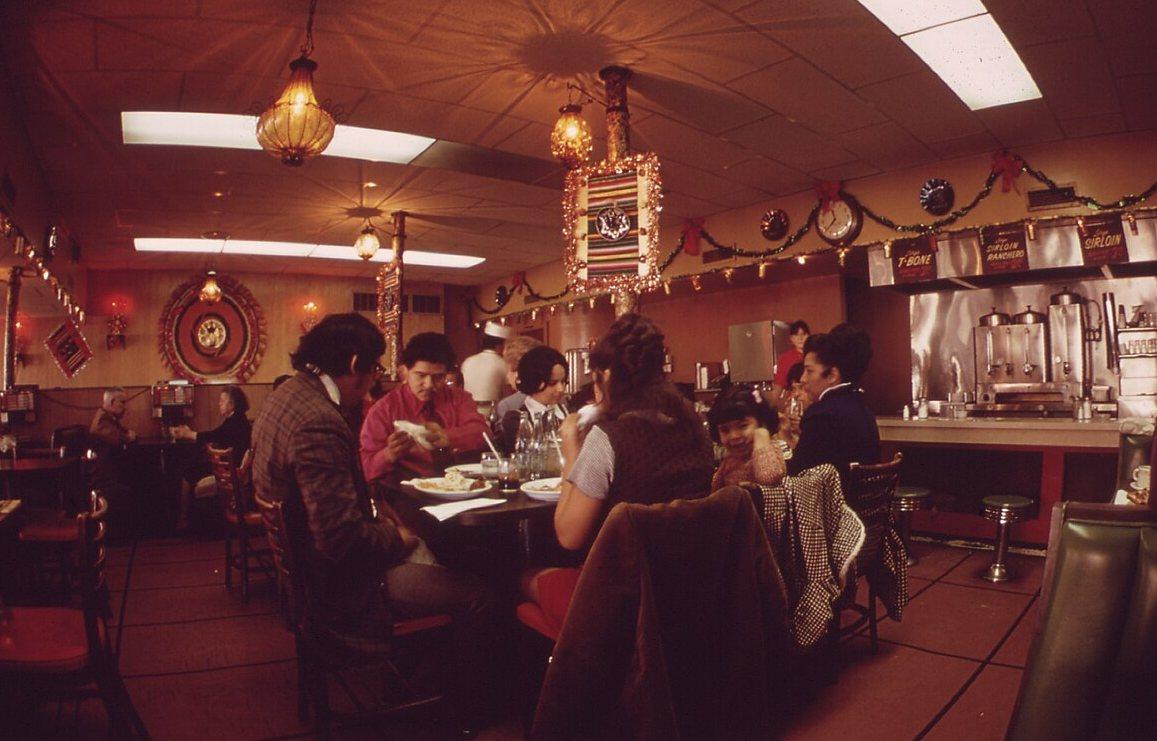
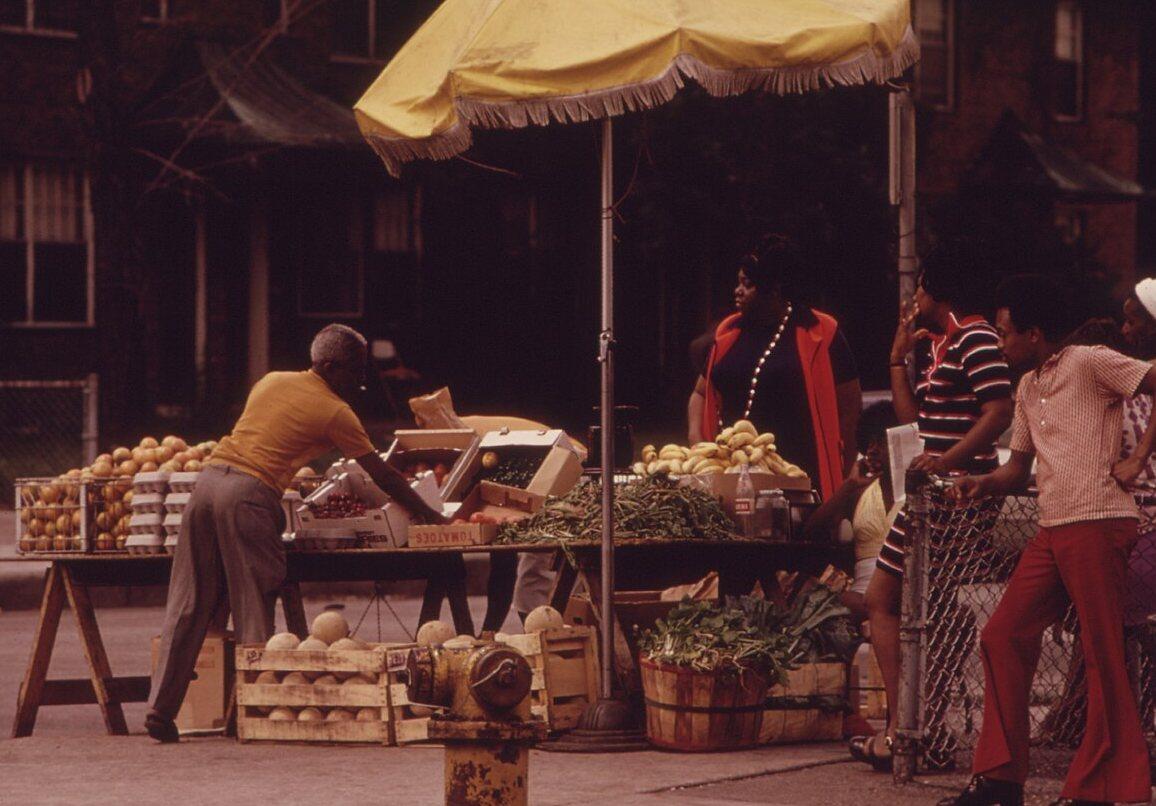
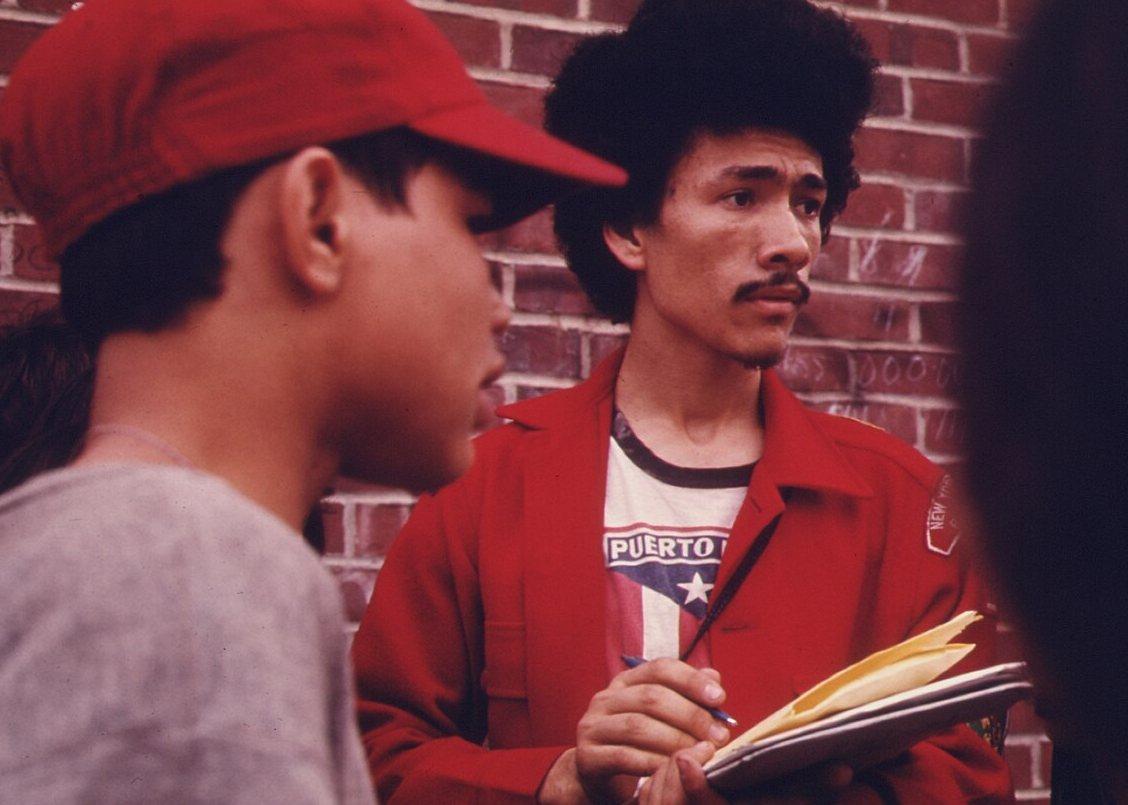
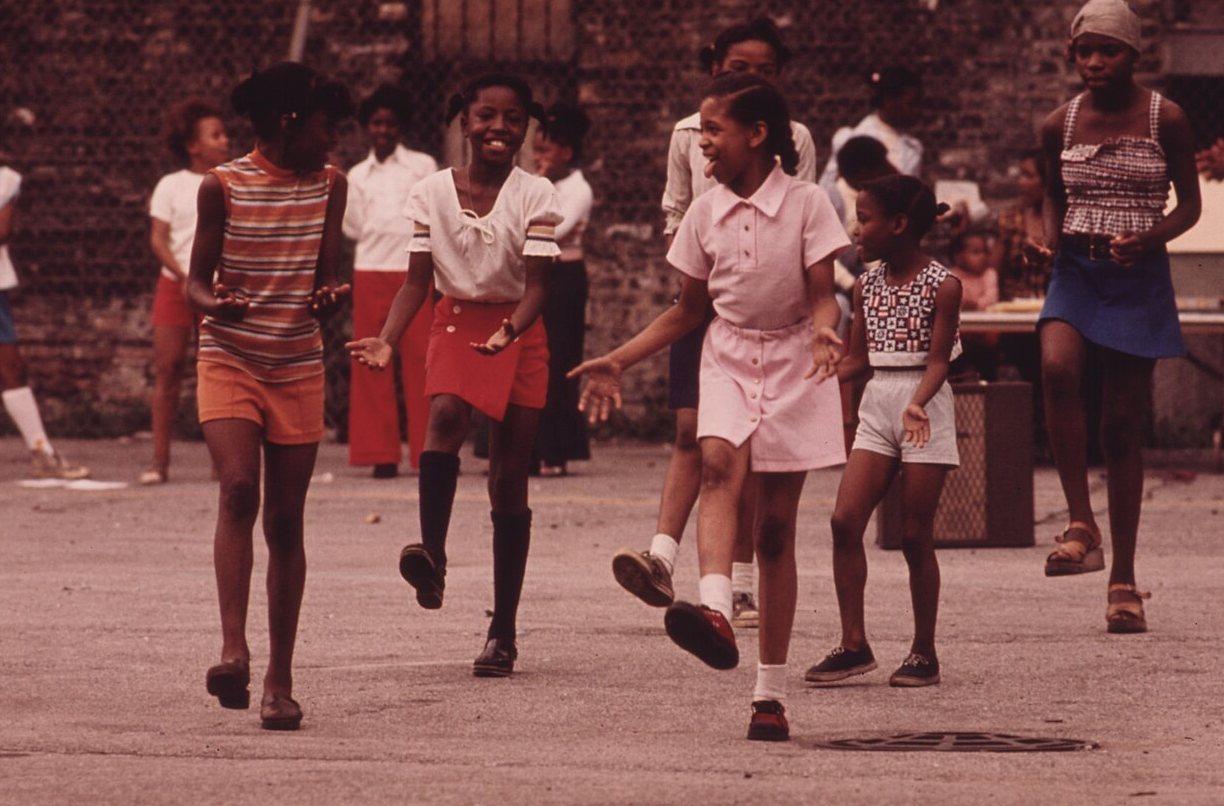
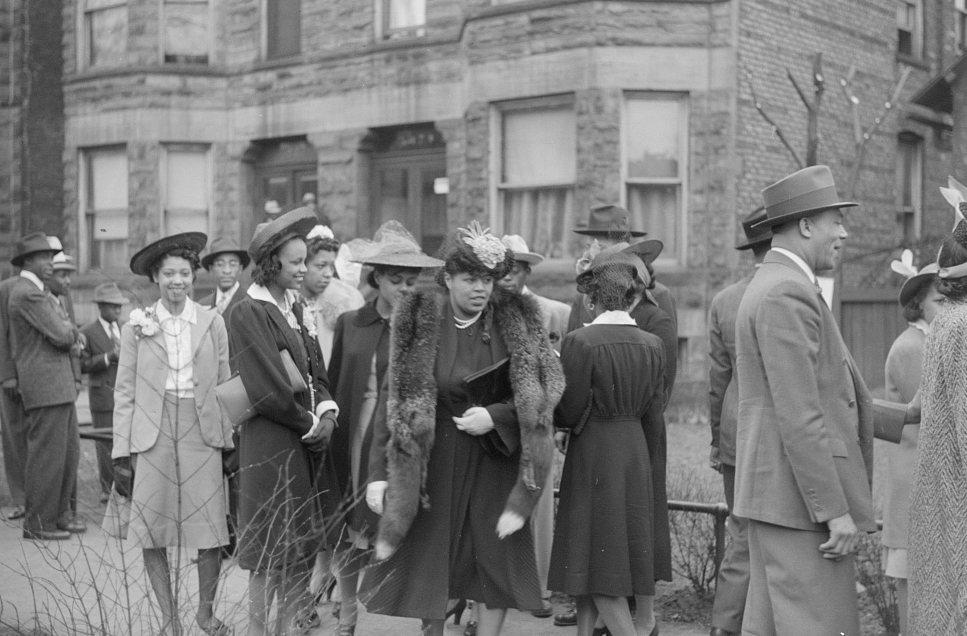
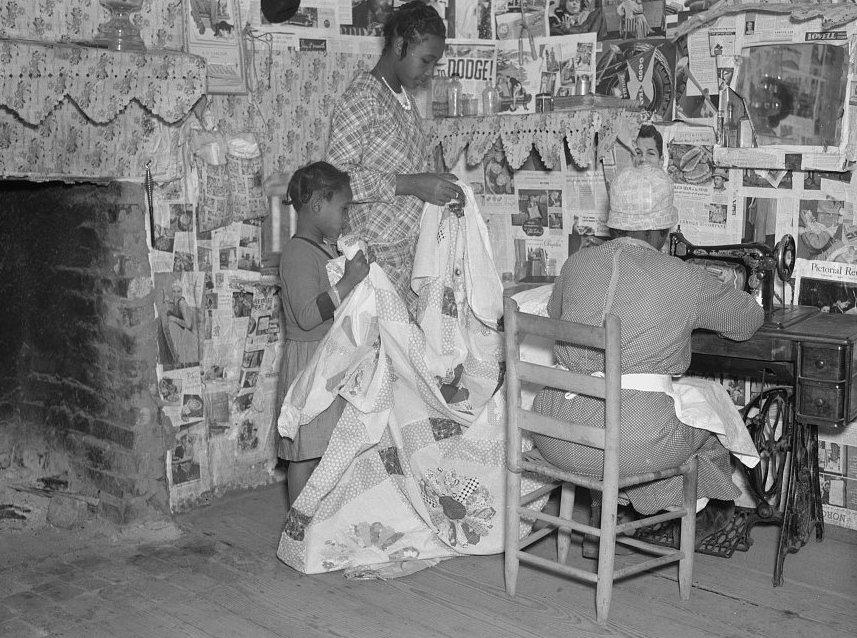
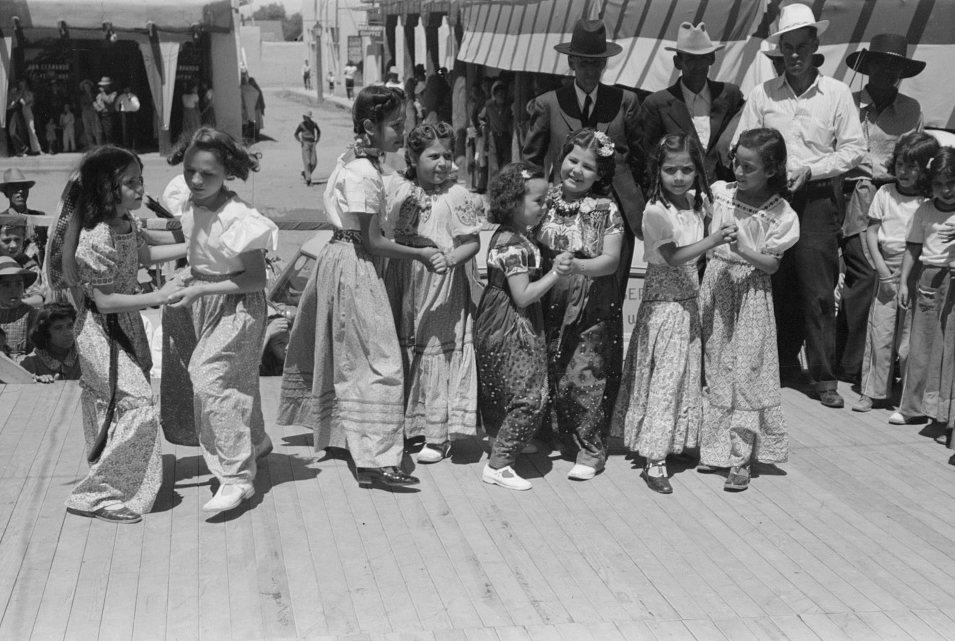
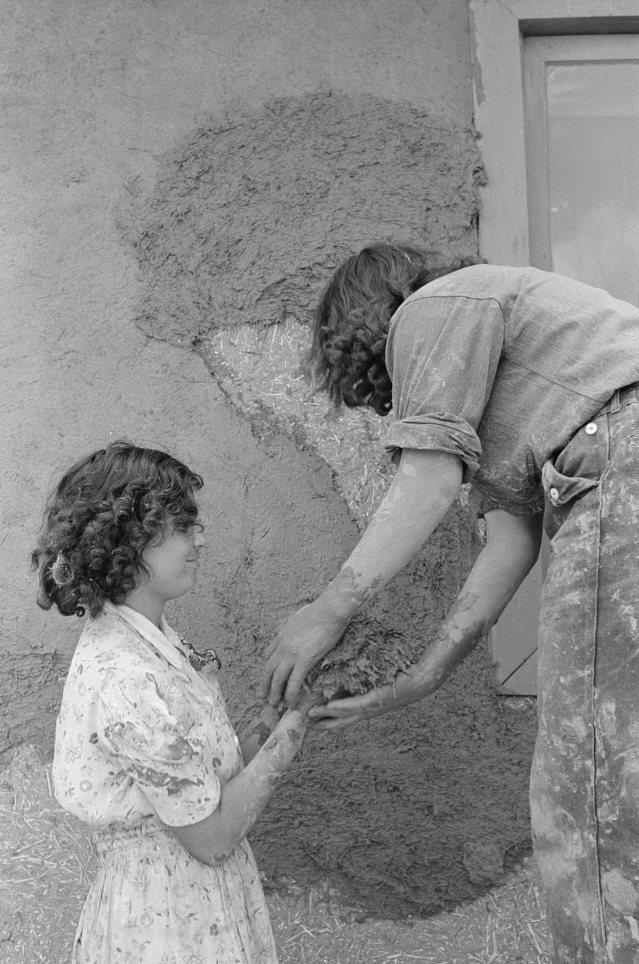
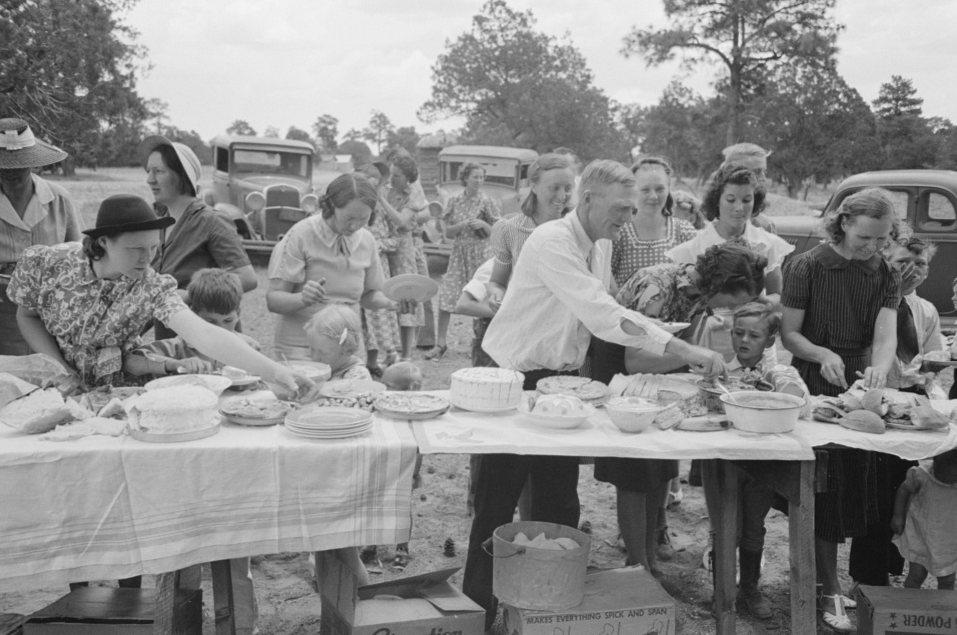
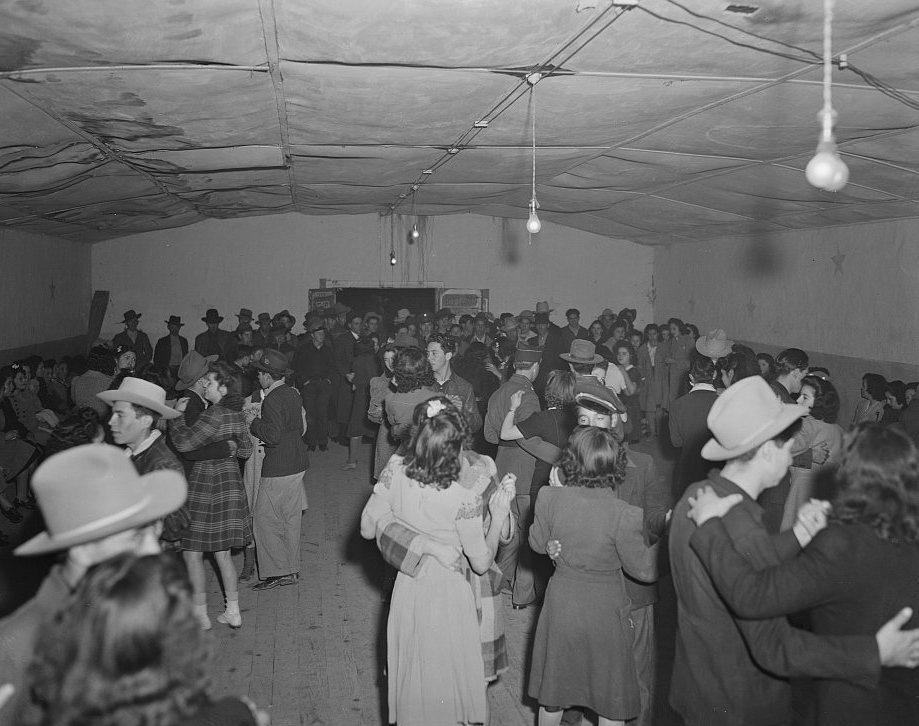
Block parties, sidewalk stands, church on Sunday, and a dance on Saturday night. These photos were taken in city neighborhoods and small towns between 1936 and 1974.
Photos from the Library of Congress and the National Archives. They are free for anyone to use. Select a photo to see the original record.
It's not just you
Prices went up fast after 2020, and many of us also lost touch with the people around us. These numbers come from government and university sources. You can check each one at the bottom of the page.
What an hour can do
In a time bank, help moves around the whole group. You help whoever needs what you're good at. When you need something, a different neighbor can help you.
Denise, home health aide and mother of two
Her weekly cart used to cost about $120. Now it's over $150, and eggs went past six dollars a dozen.1
Denise can make one pot of beans last a family three days. On Sundays she shows two neighbors how to cook for the whole week, and she earns two hours. She uses them when a neighbor watches her kids so she can take a Saturday double shift.
Three families eat better on the same money, and Denise gets the extra shift.
Marcus, warehouse worker, and Earl, retired mechanic, 71
Car repairs cost about 40% more than they did in 2020.6 The shop wanted $480 to fix Marcus's brakes, mostly for labor. Like more than a third of adults, he didn't have $400 in cash for a surprise bill.3
Earl fixed cars for forty years. Since his wife passed, he spends most days alone. Marcus buys the brake pads, and Earl puts them on in his driveway in two hours. Later, Marcus earns his two hours back by driving Earl to his heart doctor.
Marcus keeps most of that $480. Earl has somewhere to be on Tuesdays.
Rosa, nursing assistant on the evening shift, single mom
In 2024, child care cost $13,128 a year on average. For a single parent, that is about 35% of their income.5 Rosa works evenings at a nursing home, and the numbers never added up.
Aisha lives two doors down and works days. Rosa watches Aisha's kids two mornings a week, and Aisha watches Rosa's kids two evenings. The time bank keeps track, so the trade stays fair.
Both moms can work their shifts. Their four kids now call each other cousins.
Tyler, 24, works from home in customer service
Tyler moved to town for a job he does from home. Six months later, the only people he talked to were customers on the phone. Young people today spend much less time with friends. A 2023 Surgeon General report found it fell by almost 70% over about 20 years.4
Tyler is good with phones. On Saturday mornings he helps older neighbors set up video calls and block scam calls. He uses his hours for haircuts from a retired barber on the corner and for Sunday dinners at Denise's.
Now six neighbors know his name, and the block gets fewer scam calls.
These four people are made up, so no real member's story is shared without permission. The prices and statistics are real. A time bank won't raise wages or lower rent. What it can do is keep some money in your pocket and give you people to call when a month gets hard.
We've done this before
Ask your grandparents about barn raisings, church suppers, and the lady down the street who watched every kid on the block. In 2020, when the pandemic shut things down, people started at least 800 mutual aid groups across the country. They ran grocery and medicine trips for each other using group texts and shared spreadsheets.7
The time bank idea comes from Edgar Cahn, a lawyer who worked against poverty. After a heart attack in 1980, he hated feeling useless. He started asking what people the job market overlooks could do for each other. His answer was “time dollars,” and this bank runs on the same idea.8
An hour fixing brakes and an hour babysitting each earn one hour of credit.
Asking for help is part of being a member. It gives someone else the chance to help.
A car, a second language, patience, a strong back, a good ear. You don't need a degree to be useful to someone.
Every hour you trade is one bill you didn't have to pay.
Our agreements
Trust is what makes this work. We ask every member to keep these.
It doesn't matter what the job is or who does it.
Talk about what you'll do, when, how long it should take, and what happens if plans change.
Turn down any request you're not comfortable with. Meet in a public place the first time if you'd like.
If an exchange is canceled, the hours go back to the person who set them aside.
Messages stay between the two people in an exchange. Please don't share what someone tells you.
This is mutual aid. Hours are the only thing we trade.
Questions
No. Everyone gives and everyone gets help. Mutual aid means neighbors standing together as equals.
No. It can save you money on things neighbors can do for each other, like repairs, rides, and childcare. It also means you have people to call when things get hard.
Most people do. Some of the help people need most is simple: a ride, an extra pair of hands, someone patient to explain a form, or someone to talk to. Start with one small offer.
That's fine. Every new member starts with two hours, so you can ask for help first. If you need more help than you can return for now, you can ask the shared fund in private.
No. There are no fees, and members never pay each other money.
Members who are signed in can see listings and who posted them. Only you can see your balance and your time record. Messages in an exchange are seen only by the two people in it.
We check that each member's email address is real. We do not run background checks. Use the same care you would with anyone new: meet in public first, bring a friend if you like, and trust your gut. You can turn down or cancel any exchange.
Neighbors run it. A community facilitator reviews requests to the shared fund and helps sort things out when something goes wrong. You can reach them at jevonia@gmail.com.
They are plain words for how well the community knows someone. A steward meets you in person at a gathering, and over time neighbors who have worked with you can vouch for you. Every member can post, ask, and trade hours from the first day. A level is not a safety promise. See how standing works.
Founding members wanted
We're starting with a small group of people who already know each other, from a street, a church, a union hall or a group chat. Join now and help decide how this community takes care of its own.